BALTIMORE, 04/16/2026 - El Center for Autism Services, Science and Innovation (CASSI™) en Kennedy Krieger Institute ha recibido una subvención de $4 millones de dólares de National Institutes of Health (NIH) para lanzar uno de los primeros estudios que utiliza tecnología de neuroimagen portátil para examinar cómo los niños pequeños con autismo desarrollan el lenguaje hablado. El estudio, de cinco años de duración, tiene como objetivo identificar predictores confiables del desarrollo del lenguaje hablado para orientar intervenciones más específicas en niños con autismo.
Casi el 30% de los niños con autismo nunca desarrolla lenguaje hablado, y los investigadores tienen una comprensión limitada de por qué este surge en algunos niños pero no en otros. El Brain and Behavioral Development Lab en CASSI busca abordar esta brecha mediante el uso de un dispositivo innovador para medir cómo responden los cerebros de los niños pequeños con autismo al lenguaje.
Dicho dispositivo utiliza una gorra para niños que emite ondas de luz para medir la actividad cerebral mientras los participantes escuchan películas e historias. Los investigadores compararán las respuestas cerebrales en niños con y sin autismo para determinar si las diferencias en el procesamiento del lenguaje predicen resultados posteriores en el desarrollo del lenguaje hablado.
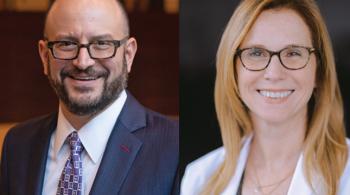
"Este proyecto se centra en comprender cómo el cerebro en desarrollo sustenta el desarrollo del lenguaje hablado", afirmó la Dra. Rachel Reetzke, profesora adjunta en CASSI. "Este proyecto nos dará la oportunidad de hacer seguimiento a estos niños pequeños durante este período sensible del desarrollo del lenguaje hablado y observar qué está cambiando en sus cerebros".
Los investigadores realizarán un seguimiento del desarrollo del lenguaje de los participantes mediante informes de cuidadores, evaluaciones estandarizadas del lenguaje y observaciones de la interacción entre cuidadores y niños.
"Nuestro objetivo es utilizar lo que aprendamos de este estudio para sentar las bases de intervenciones tempranas del habla y el lenguaje más personalizadas, basadas en cómo se desarrollan los cerebros de los niños", afirmó la Dra. Reetzke.
El estudio cuenta con el apoyo de colaboradores del Center for Neurodevelopmental and Imaging Research en Kennedy Krieger y de la Washington University School of Medicine en St. Louis.
Para obtener más información sobre la investigación en autismo en Kennedy Krieger, visite nuestro sitio web.
###
Acerca de Kennedy Krieger Institute:
Kennedy Krieger Institute, una organización sin fines de lucro reconocida internacionalmente que se encuentra en el área metropolitana de Baltimore-Washington, D.C., transforma la vida de más de 30,000 personas por año con terapias de bienestar, salud del comportamiento y servicios médicos para pacientes hospitalizados y ambulatorios; servicios comunitarios y en el hogar; programas en escuelas; capacitación y educación para profesionales, y defensa. Kennedy Krieger ofrece una gran variedad de servicios para niños, adolescentes y adultos con enfermedades, trastornos y lesiones que afectan el sistema nervioso, con diferentes niveles de gravedad. El Instituto reúne a un equipo de investigadores que contribuyen a la comprensión de cómo se desarrollan los trastornos y que, además, son pioneros en nuevas intervenciones y métodos de diagnóstico temprano, prevención y tratamiento. Visite KennedyKrieger.org para obtener más información acerca de Kennedy Krieger.